Reviewing the Proud Dad Embroidery Design
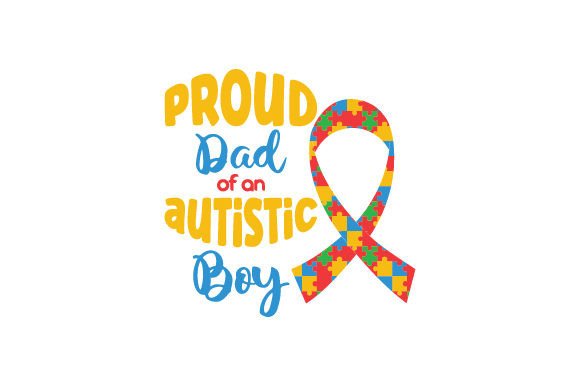
As a designer who spends more time staring at stitch maps than actual fabric, I have learned that the emotional weight of a design is only half the battle. The other half is technical execution. When I first loaded Proud Dad of an Autistic Boy - Quote into my digitizing software, I was not just looking at text; I was evaluating a statement piece for a specific and growing market within the Special Needs community. This is not merely a decorative element; it is an identity marker for families, and that requires a level of respect and precision in our craft.
The immediate impression of this design is one of quiet confidence. It does not scream for attention with chaotic graphics or overly complex shading. Instead, it relies on clean typography and balanced spacing. For those of us creating handmade products, this simplicity is often where the true challenge lies. Simple designs leave nowhere to hide poor tension or sloppy trimming. However, when executed correctly, they offer a timeless appeal that resonates deeply with customers seeking authentic representation.
Real-World Application and Fabric Choice
To truly test the viability of this embroidery file, I moved beyond the screen and into the workshop. My test case was a custom order for a local boutique specializing in inclusive family apparel. The client wanted a series of matching sweatshirts for a family photo session. I chose a mid-weight cotton blend fleece for the dad’s shirt, as it provides a stable surface for stitching without being too stiff.
The design includes formats like SVG, Transparent PNG, EPS, and DXF. While these are excellent for cutting machines and digital mockups, as an embroiderer, I focused on how the visual structure translates to thread. The quote layout is horizontal, which makes it ideal for the chest area of a sweatshirt or the center of a tote bag design. On the fleece, the letters sat flat and crisp. I used a standard cut-away stabilizer to ensure the fabric did not pucker around the denser parts of the lettering. The result was professional, soft to the touch, and highly readable from a distance.
This versatility extends to other items as well. I can easily see this working as a baby embroidery piece on a onesie, though scaling would be critical. For smaller items like caps or hats, the curvature of the fabric might distort longer lines of text, so careful hooping and possibly breaking the quote into two lines would be necessary. For a tote bag, however, the flat canvas surface allows the design to shine without distortion, making it a perfect everyday accessory for school runs or therapy appointments.
Technical Considerations for Stitch Quality
When working with text-based embroidery projects, stitch density is paramount. If the density is too high, the fabric will pucker, and the thread may break. If it is too low, the backing fabric will show through, ruining the legibility. Since I do not have the exact stitch count or internal digitizing parameters for this specific file, I strongly advise running a test stitch on scrap fabric identical to your final product. This is non-negotiable for maintaining professionalism.
I recommend using a satin stitch for smaller text elements if the digitizing allows, as it provides a shiny, premium look. For larger letters, a fill stitch with a slight underlay ensures stability. Pay close attention to the corners of letters like "A" or "V." Sharp corners in digital files can become blunt or messy in thread if the machine stops and starts incorrectly. Reviewing the design in black and white mockups before stitching helps identify potential contrast issues, especially if you plan to use subtle thread colors on dark fabric.
Thread color choice plays a huge role in the final impact. For a "Proud Dad" theme, classic navy, charcoal, or deep green threads on light fabrics convey strength and calm. Conversely, bright autism awareness colors can be used, but ensure they do not clash with the garment. Always check thread color contrast against your fabric texture. A textured towel or rough linen might require thicker thread or adjusted density to ensure the message remains clear.
Commercial Viability and Ethical Selling
For Etsy sellers and small shop owners, this design taps into a meaningful niche. Products related to Special Needs and Crafts are not just trends; they are staples for many families. A personalized gift featuring this quote can build immense customer trust and brand loyalty. However, commercial embroidery requires strict adherence to licensing. Before listing this as a finished product or selling the digital embroidery file itself, you must confirm the license terms provided by the creator.
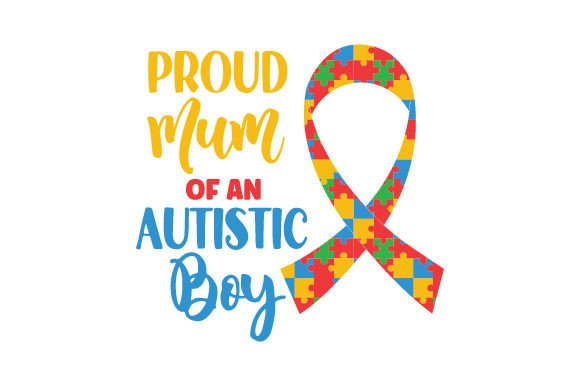
Assuming the license permits commercial use, this design fits well into a broader catalog of supportive family merchandise. It pairs nicely with other design assets, such as puzzle piece motifs or neurodiversity symbols, but it stands strong on its own. The clean aesthetic allows it to fit into modern boutique branding rather than looking like a generic craft fair item. It elevates the perceived value of the finished product because it looks intentional and well-designed.
When creating printable mockups for your online store, use the included Transparent PNG to overlay the design on various product images. This helps customers visualize the scale and placement. Remember, what looks good on a screen must survive the wash. Test your embroidered patch or direct-stitched item through multiple wash cycles to ensure durability. Customers need to know that their proud declaration will last as long as their pride.
Final Verdict for Makers
In conclusion, Proud Dad of an Autistic Boy - Quote is a solid addition to any designer’s library, provided it is handled with technical care. It is not a plug-and-play solution for every fabric type, but with the right stabilizer, hoop size, and thread choice, it produces high-quality results. It respects the subject matter by avoiding clutter and focusing on clear, bold communication.
Whether you are creating a holiday embroidery gift for a neighbor, stocking your small business with meaningful apparel, or designing custom items for a local support group, this design offers a respectful and professional option. Just remember to test first, respect the licensing, and prioritize stitch clarity over speed. In the world of handmade products, details matter, and this design gives you the opportunity to show that you care about both the craft and the community it serves.