Reviewing the "His Grace is Enough" Design for Embroidery
As a designer who has spent years digitizing patterns and testing them on everything from stiff denim to delicate baby knits, I approach every new machine embroidery design with a critical eye. It is not just about whether the artwork looks good on a screen; it is about how it translates into thread, how it behaves under the needle, and ultimately, how it resonates with the person wearing or receiving the finished product. Recently, I evaluated the Christian Quote - His Grace is Enough design, and I want to share my practical insights for fellow crafters, Etsy sellers, and handmade shop owners considering this asset for their next project.
First Impressions and Visual Personality
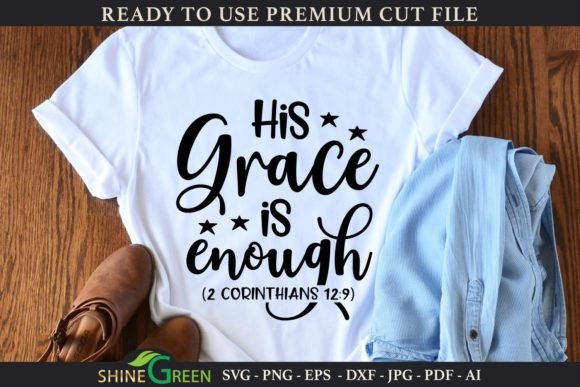
The first thing that strikes you about this design is its serene confidence. In the world of faith-based Graphics, there is often a tendency to over-complicate layouts with excessive flourishes. This design, however, relies on clarity. The typography suggests a balance between modern readability and traditional warmth, which is crucial for a message centered on comfort and sufficiency. When I loaded the files into my editing software, the clean lines indicated that this would stitch out smoothly without unnecessary jumps or dense clusters that could cause puckering.
The mood is contemplative yet uplifting. It does not shout; it invites reflection. For a custom apparel piece or a home decor item, this subtlety is a strength. It allows the message to stand on its own merit, making it suitable for a wide demographic, from young adults seeking meaningful streetwear to older generations looking for comforting home accents.
Real-World Application: The Tote Bag Test
To truly understand the viability of any embroidery file, I mentally place it in a real-life scenario. Imagine preparing a custom embroidered tote bag for a church retreat or a boutique gift shop. Canvas is a forgiving but textured fabric. A design like Christian Quote - His Grace is Enough needs enough weight in its strokes to remain legible against the weave of the canvas. Based on the visual structure, this design appears robust enough to handle medium-weight fabrics without getting lost.
If I were producing this for a small shop product, I would likely pair it with a natural or earth-toned thread palette. Think olive greens, warm creams, or deep navy blues. These colors enhance the organic feel of the message. The design’s layout fits well within standard hoop sizes, making it versatile for both large tote panels and smaller accent areas on aprons or pillow covers. This versatility is key for Etsy sellers who need to maximize the utility of a single digital purchase across multiple product lines.
Performance on Apparel and Textiles
When moving from home decor to custom apparel, the stakes change slightly. Sweatshirts and hoodies are popular items for faith-based merchandise. Here, the stitch density becomes a critical factor. If the design relies heavily on fill stitch areas, it must be balanced to prevent the garment from becoming stiff or heavy. Conversely, if it utilizes satin stitch for lettering, the column width must be appropriate to avoid snagging on long-pile fleece.
For baby items, such as onesies or burp cloths, softness is paramount. I would recommend using this design on items where the embroidery is placed away from direct skin contact, or ensuring that a high-quality, soft backing is used. The message itself is gentle, making it an excellent choice for baby embroidery gifts, provided the execution prioritizes comfort. Always test on scrap fabric first to gauge how the threads interact with delicate knits.
Navigating Technical Challenges
While the design is strong, there are areas where caution is necessary. Any text-based embroidery project requires careful attention to small details. If you are scaling the design down for a cap or a small patch, ensure that the thinner strokes do not become too fine for your machine to handle reliably. Tiny lettering can sometimes merge or break if the stabilizer is not adequate or if the needle size is incorrect.
Curved surfaces, like baseball caps, present another challenge. The design should be centered carefully to avoid distortion around the seams. I advise using a curved hoop and checking the alignment meticulously before starting the stitch-out. Additionally, when working on dark fabrics, consider using a lighter thread color to maintain contrast, or verify if the design includes underlay stitches that will help the top threads pop against the background.
Commercial Viability and Brand Consistency
For commercial embroidery professionals and craft business owners, consistency is currency. This design offers a professional aesthetic that can elevate brand perception. It does not look amateurish or clip-art-heavy, which builds customer trust. When buyers see a clean, well-executed handmade product, they perceive higher value. This design supports that perception by offering a polished look that translates well into printable mockup previews for online listings.
However, always confirm licensing terms before selling finished items. While the product description indicates you receive various formats including SVG, PNG, EPS, DXF, JPEG, PDF, and AI, it is vital to understand the specific usage rights for commercial sales. Some licenses allow for unlimited physical sales, while others may have restrictions. Clarifying this ensures your small shop product line remains compliant and professional.
Practical Designer Notes for Success
Before committing to a full production run, take these steps to ensure the best results with Christian Quote - His Grace is Enough:
- Test on Scrap Fabric: Always run a test stitch on the same material you plan to use for the final product. This reveals any tension issues or registration errors.
- Check Thread Contrast: View the design in black and white to ensure the shapes remain distinct. High contrast improves readability from a distance.
- Review Stabilizer Choice: Use cut-away stabilizer for stretchy fabrics like jersey knits and tear-away for stable wovens like cotton tote bags.
- Inspect Small Details: Zoom in on the digital file to check for any potential overlapping paths or tiny elements that might cause thread breaks.
- Verify File Compatibility: Ensure your embroidery machine can read the specific format provided, or use conversion software if necessary, though having multiple formats like DST or PES is often helpful if available.
In conclusion, this design is a solid addition to any design assets library for those focusing on faith-inspired Crafts. It balances aesthetic appeal with practical stitchability, making it a reliable choice for both personal gifts and commercial ventures. By paying attention to fabric choice and technical setup, you can create a finished product that truly reflects the depth and comfort of the message it carries.