Reviewing You Are so Loved Valentine for Real Embroidery
As a designer who has spent countless hours digitizing and stitching out files, I have learned that not every cute graphic translates well to thread. When I first opened the You Are so Loved Valentine design package, my initial reaction was one of cautious optimism. The sentiment is timeless, and the visual presentation in the preview looked clean, but previews can be deceiving. My job is to look past the digital mockup and determine if this file will hold up under the needle on real fabric, in real-world conditions.
This review comes from the perspective of someone who needs reliable design assets for client work and personal craft business inventory. Whether you are an Etsy seller looking to expand your holiday lineup or a hobbyist making gifts for family, understanding the practical behavior of a machine embroidery design is crucial before you commit to stitching it out on expensive garments.
First Impressions and Visual Personality
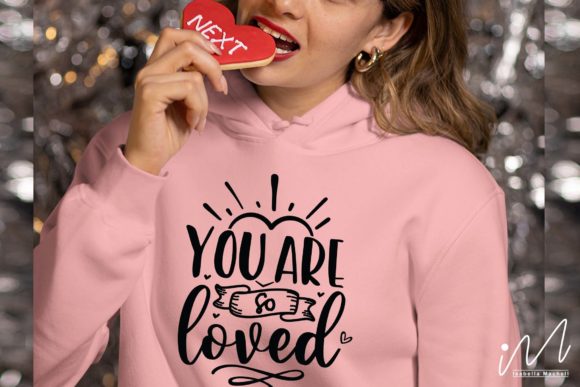
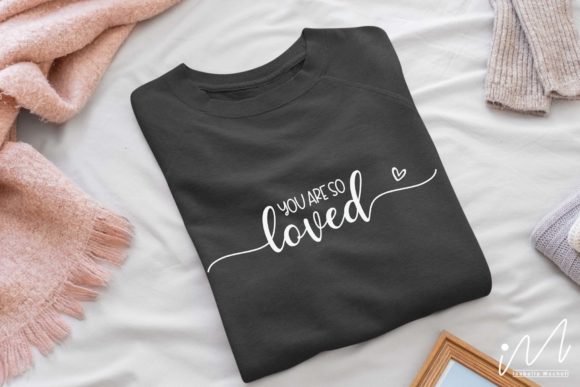
The core appeal of You Are so Loved Valentine lies in its emotional resonance. It is not just a decorative element; it is a message. Visually, the design relies heavily on typography, which is always the trickiest element to manage in embroidery. The layout appears balanced, with the quote serving as the focal point. In the context of Graphics and Crafts, this type of design bridges the gap between digital art and tactile creation.
The mood is warm and inviting, making it a natural fit for holiday embroidery projects that extend beyond just February 14th. It works equally well for anniversaries, baby showers, or general expressions of care. The simplicity of the concept suggests that it should stitch out cleanly, provided the digitizer has accounted for proper letter spacing and connection points. For a personalized gift, clarity is king, and this design seems to prioritize legibility without sacrificing style.
Real-World Application: The Tote Bag Test
To evaluate the true potential of this file, I imagined a specific scenario: creating a run of custom tote bags for a local boutique. Tote bags are a staple small shop product because they are functional and highly visible. Using You Are so Loved Valentine on a canvas tote requires careful consideration of scale.
If the design is too small, the lettering may become illegible, turning a heartfelt message into a blurry mess. If it is too large, it might distort the fabric or require excessive stabilizer. Since the product description notes that you receive SVG, DXF, EPS, and PNG formats, you have the flexibility to resize the vector files before converting them or using them for other crafts. However, for embroidery, you must ensure the original embroidery file is scaled proportionally. I would recommend testing this design at various sizes to find the sweet spot where the curves of the letters remain smooth and the spaces between characters do not close up during stitching.
Fabric Considerations and Stitch Behavior
One of the most critical aspects of any embroidery project is how the design interacts with fabric texture. This design, being text-heavy, will likely utilize a combination of satin stitch for smaller elements and potentially fill stitch or running stitch for larger areas or outlines.
On stable fabrics like cotton twill or denim, You Are so Loved Valentine should perform beautifully. These materials provide a firm foundation for the needles, preventing puckering. However, when moving to stretchy fabrics like jersey knit for a sweatshirt embroidery project, caution is required. Stretchy fabrics can cause lettering to warp if the stitch density is too high or if the wrong stabilizer is used. I strongly advise using a cut-away stabilizer for knits to maintain the integrity of the text over time and through multiple washes.
For baby embroidery, such as on onesies or burp cloths, softness is paramount. A dense design can feel stiff against sensitive skin. If this design includes heavy fill areas, consider whether it is suitable for direct contact with a baby’s neck or chest. Alternatively, it could work wonderfully on a pillow cover or nursery wall hanging where tactile comfort is less of a concern than visual impact.
Navigating Technical Challenges
While the aesthetic is strong, there are technical hurdles to consider. Text-based designs are prone to "bird nesting" or thread breaks if the jump stitches are not optimized. Although I cannot verify the exact stitch count or internal pathing from the description alone, experienced users know to check these details. Before running a full production batch, always stitch out a test on scrap fabric similar to your final material.
Pay close attention to the small details. Tiny serifs or intricate loops in the font can easily get lost if the needle size is too large or the thread tension is off. For custom apparel like caps or curved surfaces, the design might need adjustment to account for the hoop’s curvature. A design that looks flat and perfect on a screen can appear distorted on a rounded cap brim. If you are planning to use this for an embroidered patch, ensure the edges are properly defined to prevent fraying after cutting.
Commercial Viability and Brand Consistency
For commercial embroidery professionals, consistency is key. You Are so Loved Valentine offers a versatile asset that can be adapted across different product lines. It fits seamlessly into a brand that values warmth, connection, and handmade quality. Whether used on tea towels, aprons, or blankets, the message reinforces the value of the handmade product.
From a marketing perspective, this design has high "giftability." Customers are often looking for items that convey emotion without being overly generic. This quote strikes that balance. When listing such items on platforms like Etsy, clear photos showing the texture of the stitches and the quality of the finish will build customer trust. Use the included PNG transparent files to create printable mockup images for your online store, allowing buyers to visualize the design on different colors and products before purchasing.
Practical Designer Notes
Before you begin your next project with this file, keep these practical tips in mind:
- Check Thread Contrast: Ensure your thread color stands out against the fabric. Light thread on dark fabric may require an underlay or a different digitizing approach to ensure readability.
- Verify Licensing: The description mentions SVG, DXF, EPS, and PNG formats. Confirm whether the license allows for unlimited commercial sales of finished physical items. Most designers allow this, but restrictions on selling the digital file itself are standard.
- Test Hoop Size: Make sure the design fits within your machine’s maximum hoop size without requiring re-hooping, which can lead to alignment issues.
- Inspect Small Details: Zoom in on the digital file to check for any tiny, isolated stitches that might cause thread breaks or look messy.
- Stabilizer Selection: Match your stabilizer to your fabric. Tear-away for stable woven fabrics, cut-away for knits, and wash-away for delicate or sheer materials.
In conclusion, You Are so Loved Valentine is a promising addition to any designer’s library. It offers emotional depth and visual clarity, making it suitable for a wide range of finished product applications. By respecting the technical requirements of embroidery and testing thoroughly, you can transform this digital file into a cherished tangible item that resonates with recipients. It is a solid choice for anyone looking to add a touch of heartfelt professionalism to their craft offerings.