Evaluating the Merry Christmas Retro Sublimation Svg for Stitching
As a designer who spends half my life digitizing and the other half staring at a machine needle, I have learned that not every digital file translates well to thread. When I first opened the Merry Christmas Retro Sublimation Svg, my initial reaction was one of cautious optimism. The retro, groovy aesthetic is currently dominating the holiday market, but translating those smooth, curvy vector lines into a tactile embroidery project requires careful consideration. This isn’t just about uploading a file; it is about understanding how those shapes will behave under the tension of a hoop.
The Visual Personality and First Impressions
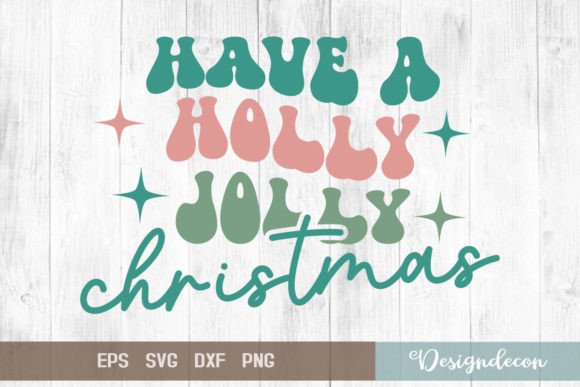
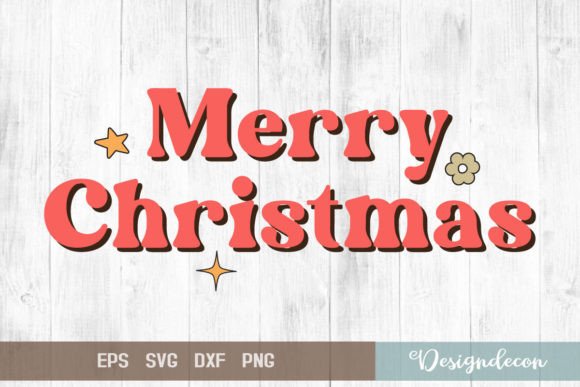
The design carries a distinct mid-century modern vibe, characterized by warped typography and playful, organic shapes. For an Etsy seller or craft business owner, this visual language signals nostalgia and warmth. However, from a technical standpoint, retro fonts often present challenges. The thick, rounded strokes can look heavy if the stitch density is too high, while thin connecting lines may disappear on textured fabrics.
When evaluating this as a potential machine embroidery design, I look at the negative space. Does the design breathe? In this case, the layout suggests it would work beautifully as a central chest piece on a sweatshirt or as a bold statement on a tote bag. The mood is cheerful without being cluttered, which is essential for maintaining stitching clarity. A design that is too busy often results in a muddy finished product, but this graphic has enough separation between elements to allow each stitch line to stand out.
Real-World Application: The Holiday Tote Bag Scenario
To test the viability of this asset, I imagined a specific real-life scenario: creating a batch of custom holiday gift bags for a local boutique. The client wanted something festive but modern, avoiding the traditional red-and-green clichés. Here, the Merry Christmas Retro Sublimation Svg shines because of its versatility. While the source file is marketed for sublimation, the included vector formats like EPS and SVG are critical for us as embroiderers.
Using the vector file, I can trace the outlines to create a clean applique design or convert the shapes into satin and fill stitches. For a canvas tote, a combination of satin stitch for the text and a light fill stitch for any background shapes would provide durability. The handmade product needs to withstand grocery runs and gift hauling, so the structural integrity of the stitching is paramount. The retro curves allow for smooth satin columns, which feel premium to the touch compared to jagged, poorly digitized edges.
Fabric Considerations and Stitching Challenges
Not every fabric plays nice with retro typography. If you are planning to use this on a sweatshirt embroidery project, the pile of the fleece can swallow small details. Since this design features groovy, flowing letters, you must ensure that the stroke width is sufficient. If you are working with a digital embroidery file derived from this SVG, check the minimum stitch length. On stretchy fabrics like jersey or ribbed knits used in custom apparel, a proper stabilizer is non-negotiable. Without it, the pull of the thread will distort the retro curves, turning your stylish design into a wavy mess.
For smaller items like baby embroidery on onesies or caps, caution is advised. The design’s complexity might be too much for a 4x4 hoop if the lettering is intricate. In such cases, simplifying the design or focusing on just one element of the quote might be necessary. Always test on scrap fabric first. Check how the thread colors interact with the fabric texture. A matte cotton thread might get lost on a shiny synthetic blend, whereas a rayon thread could enhance the retro vibrancy.
Commercial Viability and Brand Consistency
For small shop product lines, consistency is key. This design fits seamlessly into a broader collection of design assets that target a younger, trend-conscious demographic. It elevates the perceived value of the finished product. Customers are increasingly savvy; they can tell when a design looks cheap or pixelated. Because the original download includes high-resolution PNGs and scalable vectors, you can create professional printable mockup previews for your online store. This helps buyers visualize the personalized gift before purchasing, increasing conversion rates.
However, remember that this is a sublimation-focused bundle. As an embroiderer, you are adapting it. Ensure you have the rights to modify and sell the stitched version. Most commercial licenses cover this, but always read the fine print. Using a vector file allows you to change colors easily, matching your brand palette or seasonal trends. This flexibility is crucial for commercial embroidery where clients may request specific colorways.
Practical Designer Notes for Execution
Before you commit to a full production run, keep these practical tips in mind:
- Vector Conversion: Use the included SVG or EPS to trace the design in your embroidery software. Do not rely solely on auto-digitizing; manually adjust stitch angles to follow the curve of the retro letters.
- Stitch Density: Reduce density on fill areas if using thick fabrics like towels or blankets to prevent puckering.
- Color Contrast: Test the design in black and white first. If the elements blend together without color, the design lacks sufficient contrast for clear visibility.
- Hoop Size: Confirm the dimensions. The 3600x3600 px resolution indicates a square aspect ratio, but verify the actual inch/mm size in your software to ensure it fits your intended hoop size.
- Thread Choice: For a retro look, consider using slightly muted or vintage-toned threads rather than neon brights, unless the specific aesthetic calls for high pop.
In conclusion, the Merry Christmas Retro Sublimation Svg is a strong candidate for holiday collections if treated with technical respect. It offers the stylistic flair that customers crave, but it demands precise execution to translate from screen to stitch. By understanding the interplay between the groovy shapes and the physical constraints of embroidery, you can create standout pieces that resonate with buyers. Whether you are making a single embroidered patch or a hundred tote bags, the quality of your preparation determines the success of the final item. Treat this graphic not just as an image, but as a blueprint for texture and form.