Review: Have a Holly Jolly Christmas Sublimation Design
As an embroidery designer who has spent years digitizing files and managing small-batch production for holiday collections, I approach every new asset with a critical eye. The market is flooded with festive graphics, but few translate well from screen to stitch. When I first opened the Have a Holly Jolly Christmas Sublimation file, my immediate reaction was one of cautious optimism mixed with practical scrutiny. This is not just a digital image; it is a potential cornerstone for a seasonal product line, and its success depends entirely on how we adapt it for the needle.
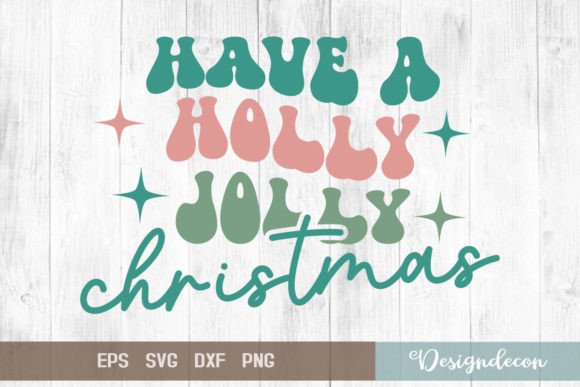
The design features a retro, groovy aesthetic that taps into the current nostalgia trend dominating Crafts and home decor. The typography is bold and rounded, suggesting a playful, mid-century modern vibe. For an embroidery project, this is both a blessing and a challenge. Bold letters are generally easier to stitch than fine script, but the "groovy" curves require careful attention to stitch angles to avoid puckering or distortion. My first impression was that this design would shine on medium-weight fabrics where the texture of the thread could complement the retro feel without getting lost in the weave.
Real-World Application: The Holiday Tote Bag Test
To evaluate the true potential of this asset, I visualized a specific real-life scenario: a custom embroidered tote bag for a local boutique’s holiday gift guide. Tote bags are a staple for Etsy sellers and small shop products because they offer a large, flat canvas. However, canvas fabric has a distinct texture that can interfere with small details.
In this context, the Have a Holly Jolly Christmas Sublimation design performs surprisingly well. The thick strokes of the lettering allow for a solid fill stitch coverage that stands out against the rougher texture of cotton canvas. If I were producing this as a handmade product, I would likely pair it with a contrasting thread color, such as a deep forest green or a vibrant red, to ensure the message pops. The retro style lends itself perfectly to a personalized gift market, appealing to customers who want something more unique than standard store-bought decor.
Versatility Across Apparel and Home Decor
Beyond tote bags, this graphic has strong potential for custom apparel. Imagine this design stitched onto the chest of a crewneck sweatshirt. The sweatshirt embroidery market is huge during Q4, and buyers love subtle yet festive branding. Because the design is vector-based and easy to resize, you can scale it down for a left-chest placement or enlarge it for a full-back statement piece. However, when working with stretchy fabrics like fleece or jersey, you must be mindful of stabilization. A cut-away stabilizer is non-negotiable here to prevent the heavy stitching from pulling the fabric out of shape over time.
For baby embroidery projects, such as onesies or burp cloths, caution is advised. While the sentiment is wholesome, the density of the fill stitches might be too stiff for delicate infant skin. If you choose to use this for baby items, consider reducing the stitch density significantly or using it as a reference for an applique design instead, where fabric pieces cover the bulk of the area, leaving only the outlines stitched down. This reduces weight and improves comfort, a key factor for parents buying holiday embroidery gifts.
Technical Considerations for Embroidery Designers
It is crucial to understand what you are buying. The product description notes that this is a sublimation download including EPS, SVG, DXF, and PNG files. It is a digital embroidery file source, not necessarily a pre-digitized stitch file. This distinction matters. As a professional, I cannot simply load an SVG into my embroidery machine. I must use digitizing software to convert these vectors into a machine-readable format, defining the stitch density, underlay, and stitch types.
This flexibility is a double-edged sword. On one hand, having a 100% vector file means you have total control. You can adjust the thread colors easily, change the size without losing resolution, and tailor the design to your specific hoop size. On the other hand, if you are not a digitizer, you will need to hire one or use auto-digitizing features, which often produce poor results for complex retro fonts. Always test the design on scrap fabric first. Check how the curves handle the transition between satin stitch borders and fill interiors. Poorly digitized curves can look jagged or cause thread breaks.
Navigating Fabric and Hoop Constraints
Where should you use this design carefully? Avoid placing it on highly textured fabrics like thick wool coats unless you simplify the design. The tiny details in the retro font may get swallowed by the fabric pile. Similarly, be wary of using it on dark fabrics if you do not have high-contrast thread options. A running stitch outline might disappear on black velvet, whereas a dense fill will stand out.
Curved surfaces, such as caps, present another challenge. The wide layout of the phrase "Have a Holly Jolly Christmas" may not fit well on a standard cap front panel without distorting the text. You might need to break the design into two lines or reduce the width significantly, which could compromise legibility. Always create a printable mockup to visualize the proportions before committing to stitching. This step saves time and materials, ensuring your finished product looks professional.
Commercial Value and Brand Consistency
For commercial embroidery and craft business owners, the visual appeal of this design can drive buyer engagement. The retro trend is currently high-converting on platforms like Etsy. Using a cohesive set of design assets that share this groovy aesthetic can help build brand consistency. Customers trust shops that have a clear visual identity. If your shop specializes in vintage-inspired holiday goods, this design fits seamlessly into that narrative.
However, always verify the licensing terms. The description mentions it is easy to resize and change colors, but it does not explicitly state commercial usage rights for the final stitched items. Before selling embroidered patches, aprons, or pillow covers featuring this design, confirm that the license allows for physical product sales. Many digital graphics licenses restrict use to personal projects or require an extended license for commercial goods. Protecting your business from copyright issues is just as important as the quality of your stitching.
In conclusion, the Have a Holly Jolly Christmas Sublimation design is a versatile and trendy asset for designers who understand the technical side of embroidery. It offers great potential for tote bag design, sweatshirts, and home decor, provided you handle the digitization and stabilization correctly. By treating it as a raw material rather than a finished solution, you can create high-value, professional-looking items that resonate with today’s craft-conscious consumers.