Reviewing That s My Boy SVG for Embroidery
As a designer who spends half my life staring at digitized files and the other half watching needles punch through fabric, I have learned to be skeptical of clean lines on a screen. What looks crisp in a vector program can sometimes turn into a tangled mess under the presser foot. When I first pulled up That s My Boy SVG - Baseball SVG, my initial reaction was one of cautious optimism. The design promises a blend of sports enthusiasm and familial pride, a combination that sells well year-round. But does it hold up when translated from a digital graphic into a tangible, stitched reality? Let’s break down how this asset performs in real-world embroidery scenarios.
First Impressions and Visual Personality
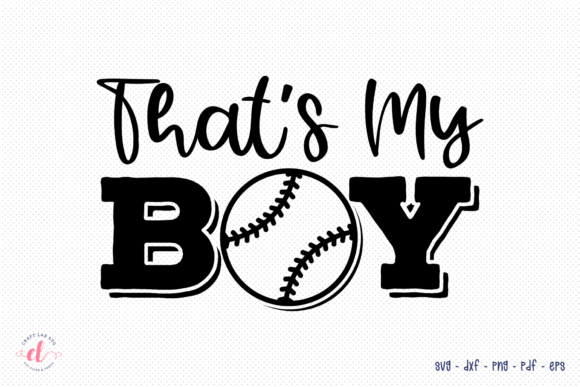
The immediate mood of this design is playful yet polished. It captures the energy of baseball season without relying on overly complex shading or gradients that are notorious for causing registration issues in embroidery. The layout feels balanced, with the quote serving as the anchor and the baseball imagery providing visual interest. For those of us working in Crafts and Graphics, we know that simplicity often translates best to thread. The clean creative nature of the design suggests it was built with versatility in mind, making it a strong candidate for various creative crafting projects such as t-shirts, mugs, signs, and cards.
However, as an embroidery product reviewer, I look beyond the aesthetic. I look at the potential stitch paths. A design like this relies heavily on clear typography and recognizable shapes. If the curves of the baseball stitches are too dense, they might pull the fabric. If the lettering is too thin, it might get lost. The visual personality here is approachable, which is exactly what you want for a personalized gift or a boutique item.
Real-World Application: The Custom Sweatshirt Test
To truly evaluate That s My Boy SVG - Baseball SVG, I imagined a specific client project: a custom embroidered sweatshirt for a grandfather attending his grandson’s first little league game. This is a classic use case for custom apparel where emotional value drives the purchase. In this scenario, the design needs to be legible from a distance but detailed enough to look professional up close.
On a medium-weight cotton blend sweatshirt, this design would likely shine. The fill stitch areas of the baseball would provide nice texture against the fleece, while the text would need careful attention. If the original SVG is converted into a machine embroidery design with appropriate satin stitching for the letters, it creates a raised, tactile effect that customers love. It transforms a simple garment into a cherished handmade product. The contrast between the white stitching of the baseball seams and a navy or heather gray fabric would offer high visibility, ensuring the message "That's My Boy" is read instantly.
Versatility Across Product Lines
Beyond sweatshirts, this design has legs in other categories. For an Etsy seller looking to expand their craft business, this asset could be adapted for:
- Tote bag design: Perfect for carrying gear to the field, provided the stabilizer is heavy-duty to prevent puckering on canvas.
- Embroidered patch: Creating iron-on patches allows for bulk production and easier application on delicate fabrics.
- Baby embroidery: Smaller versions could adorn onesies or bibs, though scale adjustments are critical here.
- Holiday embroidery: During opening day or the World Series, this becomes a seasonal bestseller.
The key is recognizing that while the source file is a digital embroidery file or SVG intended for cutting or printing, its true value for embroiderers lies in how well it digitizes. A clean SVG makes the digitizer’s job easier, resulting in fewer jumps and trims in the final embroidery file.
Navigating Technical Challenges
While the design is clean, no graphic is without its pitfalls when moved to fabric. Here is where practical judgment comes into play. If you are planning to use this on stretchy fabric like a performance jersey, you must be wary of distortion. The circular shape of the baseball can easily become oval if the hoop tension is not perfect or if the wrong stabilizer is used. I always recommend a cut-away stabilizer for stretchy materials to maintain the integrity of the shape.
Another concern is stitch density. If the digitized version of this SVG packs too many stitches into the baseball area, it can cause the fabric to pucker or the needle to break. For a small shop product, consistency is key. You do not want one shirt looking perfect and the next looking distorted because the density was too high for that specific fabric weight. Always test on scrap fabric first. Check how the thread colors interact with the background. On dark fabric, you might need an underlay stitch to prevent the fabric color from showing through the lighter threads of the baseball design.
Curved surfaces, such as caps, present another challenge. The flat layout of the SVG must be adjusted for the curved front panel of a hat. The text might need to be arched slightly more than it appears in the original graphic to ensure it reads correctly from the viewer’s perspective. This is a common oversight for beginners but a standard practice for professional commercial embroidery operators.
Enhancing Brand Value and Customer Trust
Why does the quality of the source design matter for your finished product? Because it directly impacts perceived value. A sloppy stitch-out suggests a lack of care, while a crisp, well-executed design builds customer trust. When a buyer receives a personalized gift featuring That s My Boy SVG - Baseball SVG, they are buying into the sentiment and the craftsmanship. If the edges are clean and the colors are vibrant, they are more likely to return for future purchases or recommend your small shop product to friends.
For design assets creators, offering a well-tested version of this design can set you apart. Provide printable mockup previews that show the design on different textures. Show it on a kitchen towel versus a t-shirt. This helps the end-user visualize the potential and reduces hesitation in purchasing.
Practical Designer Notes
Before you commit to production, keep these checkpoints in mind:
- Check Licensing: Ensure the license allows for commercial embroidery if you plan to sell finished items. Some SVG licenses are for personal use only.
- Test Stitch Density: Run a test stitch on similar fabric to check for pulling or gaps.
- Contrast Matters: Use high-contrast thread colors for the text to ensure readability.
- Hoop Size: Confirm the design fits within your standard hoop sizes without needing excessive re-hooping.
- Fabric Texture: Avoid using this on highly textured fabrics like terry cloth unless you use a topping to keep the stitches visible.
In conclusion, That s My Boy SVG - Baseball SVG is a promising asset for any designer’s toolkit. It bridges the gap between digital creativity and tactile craftsmanship. With careful attention to digitization settings and fabric choice, it can elevate a simple piece of apparel into a meaningful keepsake. Whether you are an apparel decorator working on a large order or a hobbyist making a holiday gift, this design offers the flexibility and charm needed to succeed in today’s competitive handmade market.