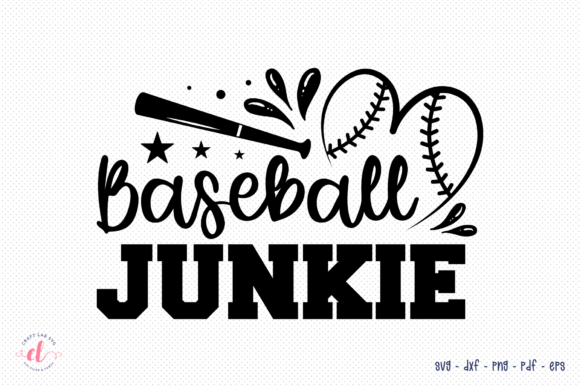
Review: Baseball Junkie SVG for Embroidery
As a designer who has spent years translating digital vectors into thread, I have learned that not every digital embroidery file is created equal. Some designs look stunning on a screen but turn into a tangled mess of breaks and puckers on the machine. When I first pulled up the Baseball Junkie Baseball SVG Cut File, my initial reaction was cautious optimism. The theme is evergreen—sports fandom never goes out of style—but the execution determines whether it becomes a bestseller in your craft business or a wasted spool of thread.
This review comes from the perspective of someone who needs to know how this asset performs in real-world production. Whether you are an Etsy seller looking to expand your custom apparel line or a hobbyist making a personalized gift for a little league coach, understanding the practical implications of this design is crucial before you hit "start" on your machine.
First Impressions and Visual Personality
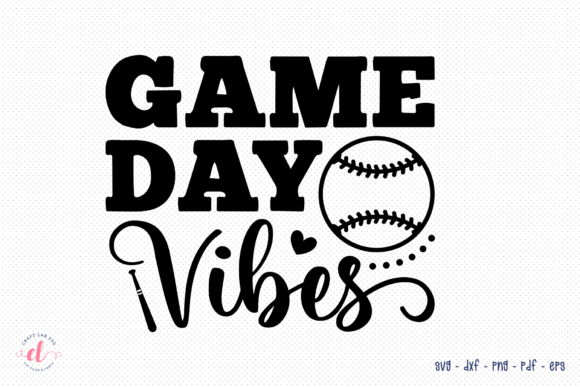
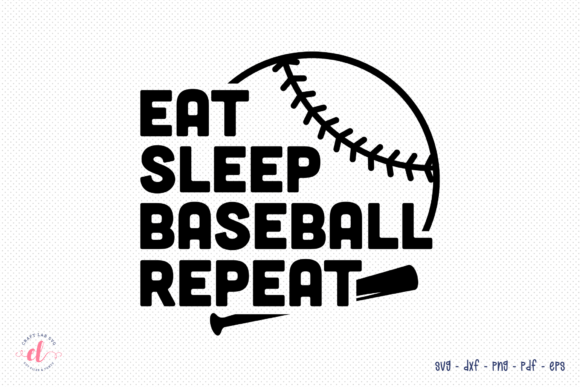
The Baseball Junkie Baseball SVG Cut File carries a bold, energetic mood. It is not subtle, nor does it try to be. The layout suggests a strong affinity for classic Americana sports aesthetics. For embroidery, this is generally good news. Bold shapes tend to stitch out cleaner than intricate, wispy details because they allow for consistent stitch density without compromising structural integrity.
When evaluating any embroidery project, I look at the balance between positive and negative space. This design appears to have enough open area to prevent the fabric from becoming stiff, which is a common complaint with dense sports logos. The visual personality fits naturally into categories like sweatshirt embroidery or heavy cotton tote bags, where the texture of the thread can add a premium feel to the finished product.
Real-World Application Scenarios
To truly test the viability of this design, I mentally placed it on several common substrates. Here is how I see the Baseball Junkie Baseball SVG Cut File performing in specific scenarios:
- Custom Apparel: On a heather grey hoodie, this design would pop with high-contrast thread colors. The bold lines suggest it would handle well as a chest logo or a larger back print.
- Tote Bag Design: Canvas is forgiving. Using a fill stitch approach for the larger elements would create a durable, textured look that withstands the wear and tear of grocery runs or gym bags.
- Baby Embroidery: If scaled down correctly, this could work on a onesie. However, one must be careful with the hoop size and ensure the stitch count isn't too high for delicate infant skin.
- Embroidered Patch: This is perhaps the strongest use case. The defined edges of the SVG format translate well to merrowed-edge patches, creating a professional small shop product that can be ironed onto jackets or hats.
For those selling design assets or physical goods, versatility is key. This graphic bridges the gap between a simple cut file for vinyl crafters and a complex machine embroidery design for stitchers. It allows you to offer matching sets—vinyl decals for car windows and embroidered shirts for the family—which increases average order value.
Technical Considerations and Stitching Strategy
While the aesthetic is appealing, the technical execution requires attention. Since this originates as an SVG, it is primarily a vector graphic. To use it for embroidery, you must ensure it has been properly digitized. If you are converting it yourself, pay close attention to the running stitch underlays. Without proper underlay, the top stitches may sink into plush fabrics like fleece or terry cloth towels.
Consider the thread colors carefully. A baseball theme often calls for classic white, red, and navy. However, if you are stitching on dark fabric, you may need to adjust the brightness of your threads to maintain visibility. Always test the design on scrap fabric first. Check for pull compensation, especially if the design includes long, straight lines that might pucker if not stabilized correctly.
Speaking of stabilization, do not skimp here. For a commercial embroidery run, using a cut-away stabilizer is advisable for garments that will be washed frequently. Tear-away might suffice for a one-off holiday embroidery project on a stable woven fabric, but for knitwear, cut-away provides the necessary support to keep the design flat over time.
Where to Use Caution
Not every surface is suitable for this type of graphic. I would advise against using the Baseball Junkie Baseball SVG Cut File on highly stretchy performance fabrics without extensive testing. The density required to make the design legible might restrict the fabric's natural movement, leading to discomfort for the wearer.
Additionally, be mindful of curved surfaces like caps. If the design is wide, it may distort when hooped on a cap frame. In such cases, consider breaking the design into smaller elements or using an applique design technique where fabric pieces are stitched down, reducing the total stitch count and bulk. Tiny lettering within the quote should also be scrutinized; if the text is too small, it may become illegible after stitching, turning a professional handmade product into a blurry mess.
Enhancing Brand Value and Customer Trust
Using high-quality graphics like the Baseball Junkie Baseball SVG Cut File contributes directly to brand consistency. When customers receive a personalized gift that looks crisp and well-executed, their trust in your craft business grows. Clean stitching signals professionalism. It tells the buyer that you care about the details, which encourages repeat business and positive reviews.
For printable mockup creation, this SVG is invaluable. You can place it on digital templates to showcase potential products on your online store before you even stitch a single thread. This helps in gauging customer interest and refining your marketing strategy. It serves as both a functional embroidery file source and a marketing tool.
Final Designer Notes
Before integrating this into your workflow, verify the licensing terms. Ensure that the license covers commercial embroidery if you plan to sell finished items. Check if the package includes already-digitized formats (like PES or DST) or if it is strictly a vector SVG requiring your own digitizing software.
Test different stabilizer types to see which yields the cleanest edge on your specific machine. Compare the result on light versus dark backgrounds to determine if you need to add a satin stitch border for definition. By treating the Baseball Junkie Baseball SVG Cut File as a component of a larger production strategy rather than just a pretty picture, you maximize its value in your Crafts and Graphics portfolio.
In conclusion, this design holds promise for those who understand the nuances of thread and fabric. It is a solid choice for boutique branding and buyer engagement, provided you respect the technical limits of your equipment and materials. Happy stitching.