Gym Hair Don’t Care SVG: A Designer’s Review
As an embroidery designer who has spent years digitizing files and testing them on everything from delicate baby onesies to heavy-duty canvas tote bags, I have learned that a design’s source file tells only half the story. The real test happens when the needle hits the fabric. Recently, I evaluated the Gym Hair Don t Care SVG - Workout SVG to determine its viability for real-world craft business applications. While this asset is marketed broadly within the Crafts and Graphics categories for use with cutting machines like Cricut and Silhouette, my focus was strictly on how its visual personality translates into a stitched machine embroidery design for custom apparel and handmade goods.
First Impressions and Visual Personality
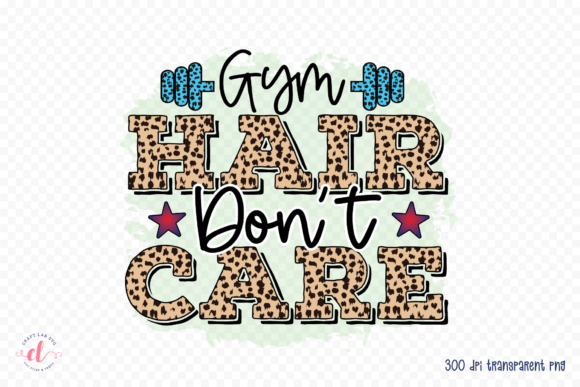
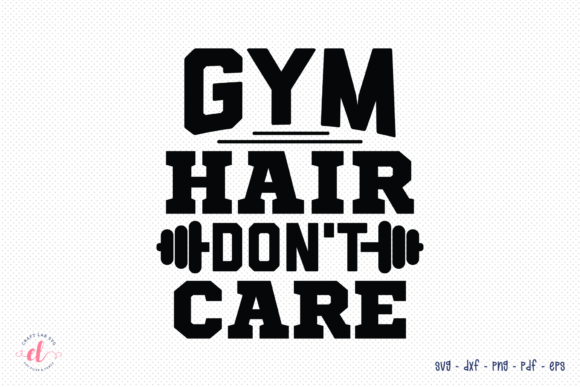
The immediate appeal of this design lies in its relatable, humorous tone. "Gym hair don't care" captures a specific mood—casual, confident, and unapologetically active. Visually, the typography tends to be bold and legible, which is crucial for embroidery. In the digital realm, these design assets often look crisp on a screen, but in stitching, clarity is king. The layout suggests a design that relies heavily on text rather than intricate pictorial elements. This is generally good news for embroiderers because text-based designs are easier to scale and adapt across different hoop sizes without losing structural integrity.
However, because it is originally an SVG intended for vinyl cutting or paper crafts, the lines may be sharper than what we typically see in native embroidery files. When adapting this for stitching, one must consider how those sharp corners translate to thread. A satin stitch might struggle with extremely tight angles, while a fill stitch could add unnecessary bulk if not managed correctly. The mood is playful, making it a natural fit for lifestyle products rather than formal wear.
Real-World Application: The Custom Sweatshirt Test
To truly understand the value of this graphic, I imagined a specific client scenario: a local fitness instructor wanting branded merchandise for her new yoga studio. She needed something fun for her team’s warm-up gear. I visualized applying this design to a high-quality cotton-blend sweatshirt. This is where the distinction between a simple graphic and a thoughtful embroidery project becomes clear.
For a sweatshirt embroidery application, the design needs to sit comfortably on the chest or sleeve. If the lettering is too small, it becomes unreadable from a distance. If it is too large, it may distort the fabric due to pull compensation. In this case, the phrase is short enough to remain legible even at moderate sizes. I would recommend using a medium-weight stabilizer to prevent the knit fabric from puckering under the weight of the thread. The result would be a textured, tactile handmade product that feels premium compared to a printed vinyl transfer.
Beyond apparel, this design works exceptionally well as a tote bag design. Canvas material holds stitches beautifully, allowing for higher stitch density without distortion. Imagine a sturdy gym bag featuring this quote in contrasting thread colors—perhaps a vibrant neon pink against a charcoal gray bag. It transforms a generic accessory into a personalized statement piece, increasing its perceived value for retail or gifting.
Navigating Fabric and Technical Constraints
While the design is versatile, it is not without limitations. Embroiderers must exercise caution when working with challenging materials. For instance, applying this to a curved surface like a cap requires careful hooping and possibly a smaller version of the design to avoid wrapping around the seam. Similarly, thin or stretchy fabrics pose a risk. If you attempt to stitch this onto a lightweight performance tee, the tension of the threads could cause significant wrinkling.
Another critical consideration is the level of detail. Since this is a quote-based design, the spacing between letters is vital. In small hoop sizes, such as a 4x4 inch frame, the text might need to be simplified or enlarged to ensure that individual letters do not merge together during stitching. Always test the design on scrap fabric first. Check how the running stitch outlines hold up against the fill areas. If the original SVG has very thin lines, they may disappear entirely when converted to thread, requiring manual adjustment in your embroidery software.
Dark fabrics present another challenge. If you are stitching white thread on black fabric, you must ensure adequate coverage to prevent the background from showing through. This might require increasing the density or adding an underlay stitch, which adds time and thread usage. Always review your digitizing settings before committing to the final finished product.
Commercial Viability for Etsy Sellers and Makers
For Etsy sellers and small shop owners, this design offers strong commercial potential. Humor sells, especially in the fitness niche. Customers looking for personalized gifts or custom apparel are drawn to designs that reflect their personality. This quote fits perfectly into categories like holiday gifts for fitness enthusiasts, birthday presents for gym buddies, or self-care treats.
When listing this item, high-quality printable mockup images are essential. Show the design on various items—mugs, signs, and cards—as mentioned in the product description, but prioritize embroidered examples for textile buyers. Displaying the texture of the thread builds trust and highlights the craftsmanship involved. It differentiates your small shop product from mass-produced printed goods.
However, licensing is paramount. Since this is sold as an SVG for cutting machines, you must verify if the creator allows for commercial use of the design when converted into embroidery. Many digital file creators permit selling physical finished items but prohibit reselling the digital embroidery file itself. Always confirm these terms to protect your craft business and maintain professional integrity.
Final Verdict and Practical Tips
The Gym Hair Don t Care SVG - Workout SVG is a charming, versatile graphic that translates well into embroidery when handled with care. It is not just a cut file; it is a foundation for creative expression. To get the best results:
- Test on scrap fabric: Always run a test stitch-out to check for registration issues and thread breaks.
- Check contrast: Ensure your thread colors stand out against the fabric texture.
- Mind the hoop size: Scale the design appropriately to maintain legibility and prevent distortion.
- Use proper stabilizer: Match the stabilizer weight to the fabric type, especially for stretchy materials.
- Verify licensing: Confirm commercial rights before selling any commercial embroidery items made with this design.
In conclusion, this design is a solid addition to your library of digital embroidery file resources. It bridges the gap between trendy graphics and tangible, high-quality stitched goods. Whether you are creating an embroidered patch for a gym bag or a baby embroidery item for a playful gift, this quote brings energy and personality to your work. Just remember that successful embroidery is about adaptation—taking a flat graphic and giving it depth, texture, and durability through skilled stitching.